WHAT WAS CLAIMED
The New Zealand government is currently selling two state houses for every one it builds, shrinking the state housing stock.
OUR VERDICT
Misleading. Numbers dipped after a 2025 peak, but building subsequently outpaced sales and stock levels are being maintained near record levels.
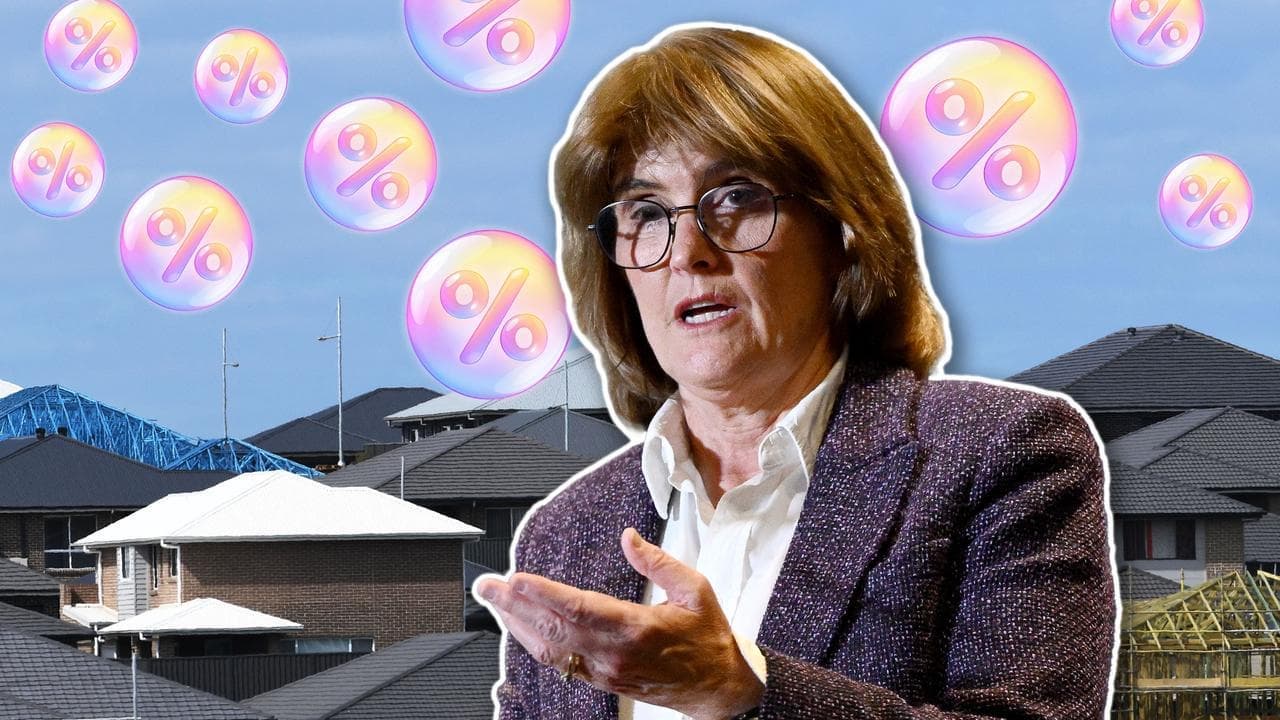
AAP FACTCHECK - New Zealand's opposition leader Chris Hipkins' claim that the government is reducing public housing stock by selling twice as many public homes as it is building is misleading.
While that was briefly the case, the number of state houses has since rebounded and is expected to be close to a historic high.
The longer-term trend also shows state housing numbers have grown overall under the National-led coalition government, which now has a policy of maintaining levels.
The New Zealand Labour Party leader made the claim during an interview with RNZ's Morning Report on July 7, 2026.
"At the moment, for every new house that they finish, the National government are selling two, so they're actually reducing the number of state houses that we've got at the moment," he said (timestamp six minutes 16 seconds).

"We need to get back to a position where we are growing the number of state houses we have."
When AAP FactCheck asked for specific figures to support Mr Hipkins' claim about two houses being sold for every one built, his office was unable to provide them.
A spokesperson said his other claim, about the number of state houses declining, was based on data from state housing agency, Kainga Ora - specifically data on the number of social houses and a list of social houses sold since mid-2025.
It shows the number of state homes fell by 349 between June 30, 2025 and May 31, 2026, the spokesperson said.
That figure matches the Kainga Ora social housing data, but notably only covers an 11-month period.
When looking at a full 12-month period, the same data shows the state social housing stock increased by 107 between May 31, 2025 and May 31, 2026.
Additionally, in the month of May 2026, the most recent monthly data available at the time Mr Hipkins made his claim, the number of social houses managed by Kainga Ora increased by 152, with 203 new builds offsetting 36 sales and 15 other stock removals.
Kainga Ora's housing dashboard reports the number of social houses, which are homes that receive a government income-related rent subsidy.
This includes state-owned properties managed by Kainga Ora and also homes managed by charities called community housing providers (CHPs).
Government funding and decisions still impact the number of CHP houses, however.
Around 1000 CHP-managed houses are government-owned but leased to CHPs. The Kainga Ora figures categorise these properties as CHP housing, not state houses, so do not perfectly separate state-owned social housing from CHP housing.
Some CHP-owned and managed houses were also built with government funding.
Nonetheless, the number of Kainga Ora-managed social houses increased by 5115 between November 30, 2023, when the National government was elected, and May 31, 2026, the latest dataset available at the time of the claim, according to the housing dashboard data.
This included 8017 new builds and 2990 properties removed, including 975 sales and 1633 demolitions. The balance was made up of lease changes and property purchases.
The Kainga Ora data also records a net increase of 2635 CHP homes in the same period, boosting NZ's total social housing stock by 7750 since the National coalition took power.
Philippa Howden-Chapman, a public housing expert at the University of Otago, said that looking at the number of state houses built during a government's term doesn't always reflect which government was responsible for the investment.
Because it takes 12-18 months to build a home, a significant proportion of the new builds delivered since the last election were funded under the previous Labour government, which had a policy of expanding the Kainga Ora housing stock, Professor Howden-Chapman said.
Looking at the 18 months to May 31, 2026, the number of Kainga Ora social houses increased by 1397.
The period that most closely matches Mr Hipkins' claim is the eight months between June 30, 2025 and February 28, 2026, when Kainga Ora social housing stock shrank by 576, including 1128 houses removed and 513 new builds completed, meaning more than two were removed for each one built.
However, not all of the homes removed from Kainga Ora stock were sold.
The housing dashboard data shows that of the 1128 homes removed, 697 were sold, 229 were demolished and 188 were removed due to expired leases. The remaining 14 homes removed were due to an earlier data error being corrected, categorised as "adjustments".
Mr Hipkins' claim referred specifically to "state houses" rather than just social housing.
Social housing makes up around 93 per cent of the state housing stock, according to Kainga Ora's latest managed stock figures. The remainder is mostly transitional housing, providing temporary accommodation for those in need, and community group housing for people with complex needs.
Kainga Ora's quarterly reports and managed stock statistics show the total state housing stock increased from 72,418 in September 2023, just before the 2023 election, to 77,609 in March 2026, the latest figures available.
But the total stock had fallen each quarter since a peak of 78,204 in June 2025. In the nine months to the end of March, roughly two homes were removed from the state housing stock for each one added, the latest quarterly report for March 2026 (page 5).
This included 1223 houses removed from the stock, including 769 sales, offset by 644 homes added.
However, the report - which was available at the time Mr Hipkins made the claim - also noted 963 new houses were expected to be delivered in the June quarter of 2026.
The stock was therefore forecast to rebound to "just above" 78,000 state homes, in line with government policy, the report said. This would mean the state housing stock would be near its all-time peak of 78,204.
Figures on the social housing stock have subsequently been released up to June 30, 2026 and show there was a subsequent surge in new state homes.
The number of Kainga Ora social homes grew by 713 in the three months to June 30, including 1005 new builds offset by 292 removals (178 sold).
This led the total Kainga Ora-managed social housing stock to grow to 73,325, the highest number on record.
The National-led government's policy is not to increase state homes, but maintain stock near its peak of roughly 78,000 homes.
Housing minister Chris Bishop said in February 2025 that the government planned to add around 1900 homes each year through around 1500 new builds and 400 retrofits.
This would be offset by selling around 900 homes per year and demolition, Mr Bishop said.

Kainga Ora said the decline identified by Mr Hipkins was a short-term fluctuation and houses were being built and sold to maintain stock levels, not reduce them.
"As a large asset manager, our stock levels may vary about 1 per cent above or below that figure at times, depending on when homes are sold, demolished, refurbished or built," a spokesperson told AAP FactCheck.
"As part of our nationwide renewal programme, we're selling around 900 homes each year.
"Every home sold is replaced with a newly built home elsewhere, so the total number of homes we own is not reduced - it stays at around 78,000."
Prof Howden-Chapman agreed that the balance between new builds and property disposals fluctuates from quarter to quarter.
"The ratio of completions to disposals is less important than the changing level of the social housing stock over time," Prof Howden-Chapman told AAP FactCheck.
AAP FactCheck is an accredited member of the International Fact-Checking Network. To keep up with our latest fact checks, follow us on Facebook, Instagram, Threads, X, BlueSky, TikTok and YouTube.