WHAT WAS CLAIMED
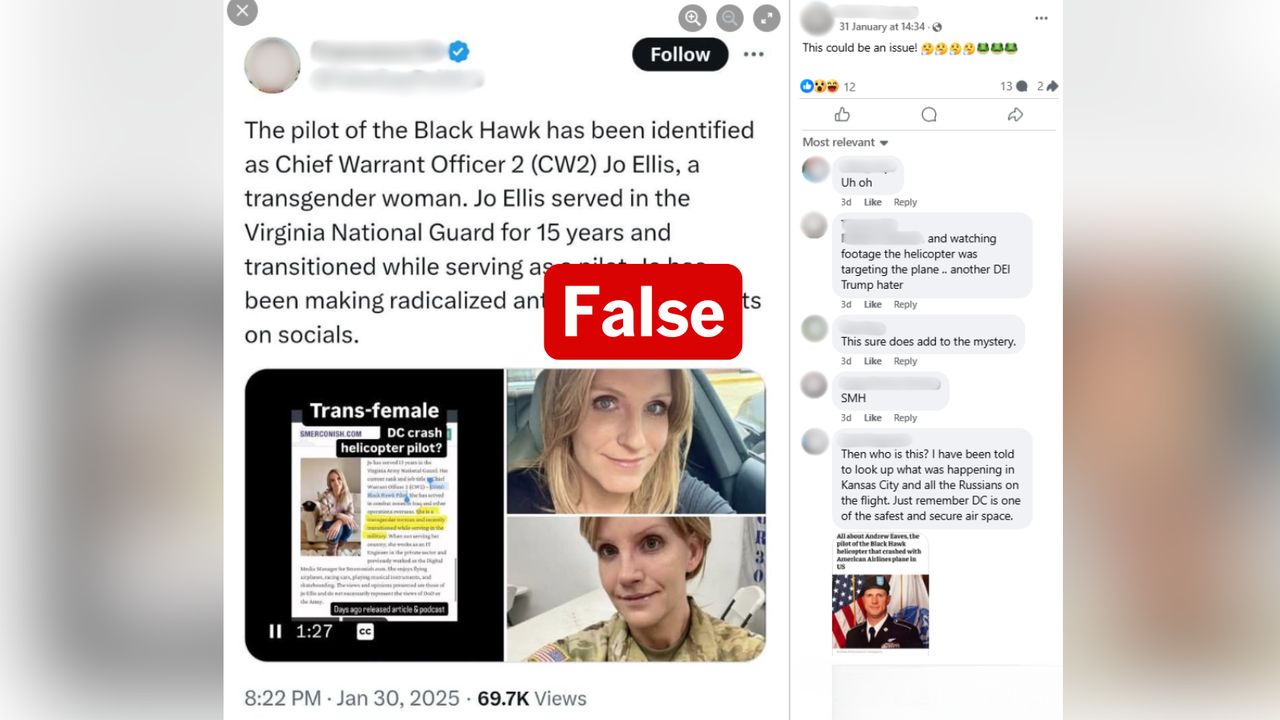
Pornhub is exempt from Australia's social media ban.
OUR VERDICT
Misleading: The government is regulating porn sites under separate internet safety codes.
AAP FACTCHECK - Claims pornography websites have been specifically exempted from the under-16s social media ban are misleading, with regulation of sites like Pornhub instead falling under separate new rules.
While such websites are not covered by the specific under-16 social media ban, they are subject to similar age restrictions, with penalties of up to $49.5 million for noncompliance.
Australia became the first country in the world to ban children under 16 from major social media platforms in December 2025.
However, a range of other internet safety measures already in place and arriving later this year will target pornography sites, search engines and messaging apps.
Ahead of the December ban, several Facebook posts criticised it, suggesting it could be circumvented by "a VPN, an AI filter and a Halloween mask".
"But here's the real joke: Platforms like Facebook, Instagram and TikTok are being targeted… while Pornhub, WhatsApp and Bluesky (Jack Dorsey's woke playground), are totally exempt," one caption reads.
"If this was really about protecting kids, these exemptions wouldn't exist. This is about control, not safety, and Australians deserve to know the truth."

A graphic accompanying the post shows a box marked "BANNED" containing the logos of Facebook, Instagram and TikTok.
Another box beside it, marked "ALLOWED," contains the logos of PornHub, WhatsApp, BlueSky, Facebook Messenger and Roblox.
"ALBO'S SAFETY LOGIC Regulate Facebook, EXEMPT Pornhub," the overlay text reads.
The post links to a longer article that implies that Pornhub, WhatsApp, Bluesky, Facebook Messenger and Roblox had been "carved out" or given "a free pass", proving the social media ban was not about child safety.
"If the objective were genuinely to protect children, the platforms hosting the most explicit or harmful content would not be the first ones exempted. But they were. Because this isn't child protection, it's selective regulation with a political flavour," the article reads.
AAP FactCheck asked the user to provide evidence to support the claim but received no response.
The claim is misleading. While Pornhub, WhatsApp, Facebook Messenger, and Roblox are not covered by the specific under-16 social media law, they are regulated under separate codes.
In particular, pornography websites will be required to introduce similar age verification checks as platforms included in the social media ban
Age checks will also be required to download apps, use messaging services or play games that are rated R18+, according to the eSafety Commissioner.
Nine new eSafety codes were introduced last year to regulate "age-restricted material" or content unsuitable for children.

The Designated Internet Services Online Safety Code, aimed at specific websites or apps that enable access to pornography, self-harm material or high-impact violence, comes into effect on March 9, 2026.
Lisa Given, an information sciences expert at RMIT University, told AAP FactCheck the new regulations require sites such as Pornhub to use technology to verify each user's age.
Artificial intelligence tools that can generate such material (p26) must also introduce age-based access controls whenever possible.
The code also requires providers to limit child users' exposure to R18+ games (page 3), which can be created on the gaming platform Roblox, and to implement age verification to games which feature X18+ content.
Companies can face penalties of up to $49.5 million for failing to comply, according to the guidance document (p45).
WhatsApp, Facebook Messenger and Roblox, which allow users to message each other directly, are subject to a separate code for messaging services that comes into force in March 2026.
Under these rules, messaging services must have terms and conditions that ban users from sharing porn with children (p4).
The code also requires platforms to block adult users from messaging children they don't know (p6).

AAP FactCheck has previously explained that search engines such as Google will also hide adult content unless a user proves they are aged 18 or over.
The Facebook post suggests the social media platform Bluesky is "totally exempt" from the government's social media ban.
Last year, the eSafety Commissioner advised that several social media platforms would be required to comply with the new age restrictions, including Facebook, Instagram, Snapchat, Threads, TikTok, X, and YouTube.
Bluesky was initially left off the list because it had fewer young users and was considered "very low risk", according to the eSafety Commissioner.
However, under the law, all websites and apps must assess whether they meet the definition of an 'age-restricted social media platform' and implement restrictions accordingly, Prof Given said.
Bluesky has since confirmed it fits the definition and has committed to introducing age verification, the eSafety Commissioner said.
* Language in this article was edited on February 26, 2026 to clarify its focus on misleading claims about pornography websites in the context of Australia's under-16s social media ban. The headline, second image caption, and paragraphs 1, 2, 11 and 27 were updated.
AAP FactCheck is an accredited member of the International Fact-Checking Network. To keep up with our latest fact checks, follow us on Facebook, Instagram, Threads, X, BlueSky, TikTok and YouTube.