WHAT WAS CLAIMED
Children receive 90 vaccinations before they turn 18.
OUR VERDICT
False. Australia’s childhood immunisation schedule recommends 18 vaccine doses plus annual flu shots.
AAP FACTCHECK - An Instagram video claims children in Australia receive up to 90 vaccinations before they reach 18, but that's incorrect.
Experts say the standard number of recommended doses is 18, plus annual influenza vaccines.
Further vaccinations are also offered to Aboriginal and Torres Strait Islander children and those with specific medical conditions.
The claim appears in an October 11 Instagram video discussing changes in the childhood vaccination schedule.
"Back in 1982, kids up to the age of 18 had five vaccinations," a man says in the video.
"Back in 2013, they had up to 36 vaccinations. Now, it's up to 90 vaccinations.
"Now, let's talk about the rates of autism. Back in 1988, the rates of autism was one in every 10,000.
"Back in 2016, the rates of autism was one in 88 children. Go back to now, the autism rates is one in every 20. Now I'm not sure if that's connected to vaccines, but it's a little bit sneaky…"

However, the claim significantly overstates the number of vaccines recommended for the general population.
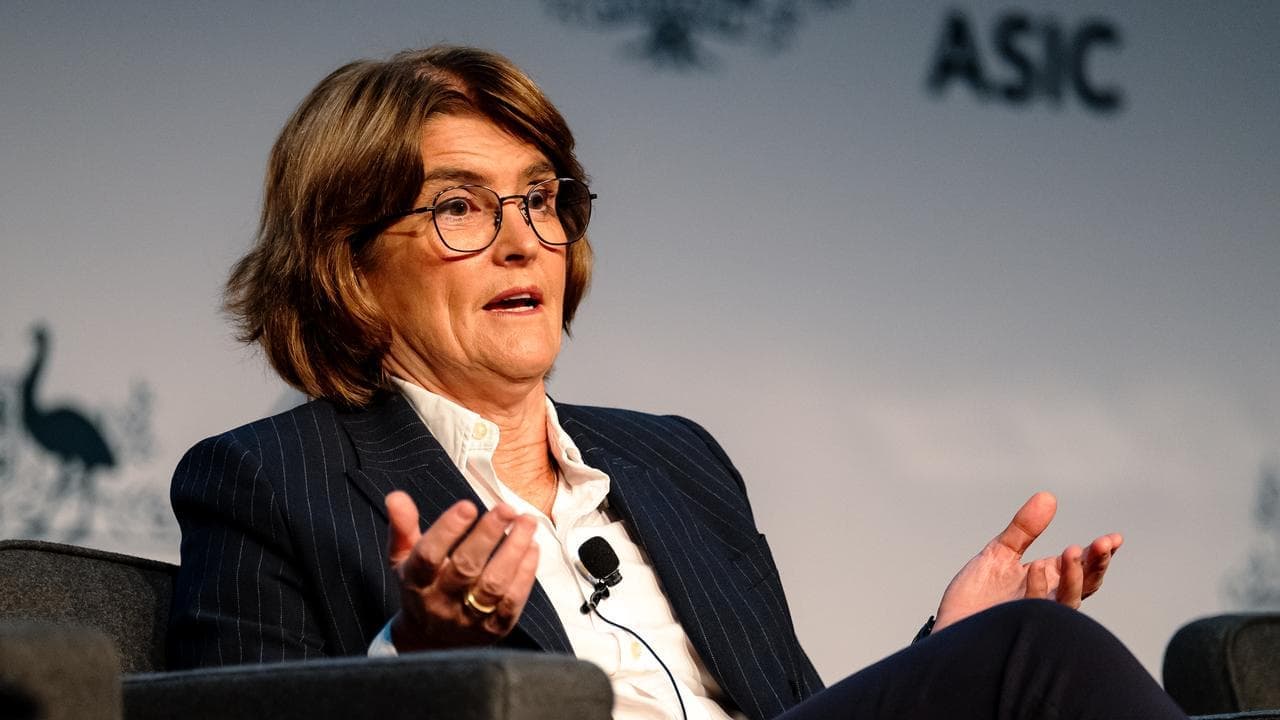
Lucy Deng, a paediatrician and clinical lead of vaccine safety monitor AusVaxSafety, said the National Immunisation Program (NIP) schedule included 18 oral or injected vaccine doses from birth to age 18.
"Some of these vaccine doses cover more than one disease, and some of these doses are repeated over time to ensure the person develops adequate protection against the disease," Dr Deng told AAP FactCheck.
The immunisation program also says children aged six months to two years should have two influenza vaccine doses in the first year of administration, then one dose annually in subsequent years.
The program also recommends additional vaccines for Indigenous children, including hepatitis A and meningococcal B vaccines, as well as an additional dose of the pneumococcal vaccine.
Dr Deng said that while the immunisation schedule had been updated since 2013, the total number of individual vaccines had not increased.
"This is largely due to advances in vaccine technology leading to the availability of combination vaccines that protect against multiple diseases in a single injection," she said.
"So while we're being protected against more diseases in the current immunisation schedule, it hasn't resulted in the need for more injections."

Dr Deng also noted that Australia's 2010 vaccination program recommended more than 25 separate vaccines for children by the time they reached five years old.
Shevaun Drislane, a vaccination policy expert at the University of Western Australia, told AAP FactCheck that an alternative way to count childhood vaccination doses was tallying each disease and strain covered by the immunisation program.
Dr Drislane said that, at the most generous count, an Australian child could receive up to 79 doses if the tally included each separate antigen in combination vaccines, booster shots, annual influenza vaccines and every additional dose recommended for Indigenous and medically vulnerable children.
The suggestion in the Instagram video that vaccines cause autism is also false.
AAP FactCheck previously debunked the claim that childhood vaccinations cause autism.
It is not correct that only one in 10,000 children in 1988 had autism, as suggested in the video.
Studies from the 1980s and early 1990s estimated the figure to be around 4-10 cases per 10,000 children, according to a 2010 study, not one in 10,000.

It is correct, however, to say that autism rates are growing.
In 2015, Australia's autism rate was around one in 150 people, according to the Australian Institute of Health and Welfare.
The Australian Bureau of Statistics estimates that by 2022, the rate was 1.1 per cent of the population, or around one in 90 people.
Autism service provider Aspect estimated in 2024 that "at least one in 40" Australians were on the autism spectrum.
Experts say the increase likely reflects better diagnostic criteria and a better understanding of autism.
Professor Adam Guastella, a youth mental health expert at Sydney Children's Hospital at Westmead, previously told AAP FactCheck it was nonsense to link the increase to vaccines.
Dr Drislane said it was understandable that some people might feel children today receive more vaccines than they did growing up.
"But the reality is, we're very fortunate to live in a time when scientific advancements mean we can protect children from serious illnesses (and their consequences) that we couldn't do a generation or two ago," she said.
"As examples, rates of cervical cancer amongst younger women have declined significantly in Australia following the introduction of HPV vaccination to the NIP.
"People in the community might also feel that children are now being vaccinated for childhood illnesses that have traditionally been a 'typical' part of life (e.g. chickenpox or influenza), but these diseases can have serious consequences for some children that we can protect by vaccinating."
AAP FactCheck is an accredited member of the International Fact-Checking Network. To keep up with our latest fact checks, follow us on Facebook, Instagram, Threads, X, BlueSky, TikTok and YouTube.